

Oteller İçin Toptan Gıda Tedariği
 · HoReCa Supply
Your hotel’s kitchen never stops. We’ll take care of the supplies at
.
We provide end-to-end wholesale food supply for hotels—from buffet service to room service, and from à la carte dining to the minibar, we support every moment of a hotel’s 24-hour service cycle with a single supplier and guaranteed next-day delivery. We have been a trusted partner to the hospitality industry in Istanbul since 1995.
30+ yearsOver 30 years of experience in the HoReCa sector
6,000+product varieties
39 districtsdelivery network
6 daysweekly delivery
06:30
Breakfast
Buffet & Breakfast
Set up a generous buffet featuring cheese, deli meats, olives, dairy products, and baked goods every morning, maintaining the same high quality.
Single Catalog
Wholesale food for hotels: all your needs, all in one place
From food to beverages, from supplies to cleaning products—everything a hotel kitchen needs in a single catalog featuring over 6,000 items. We prepare a customized product list and pricing based on your hotel’s menu and volume.
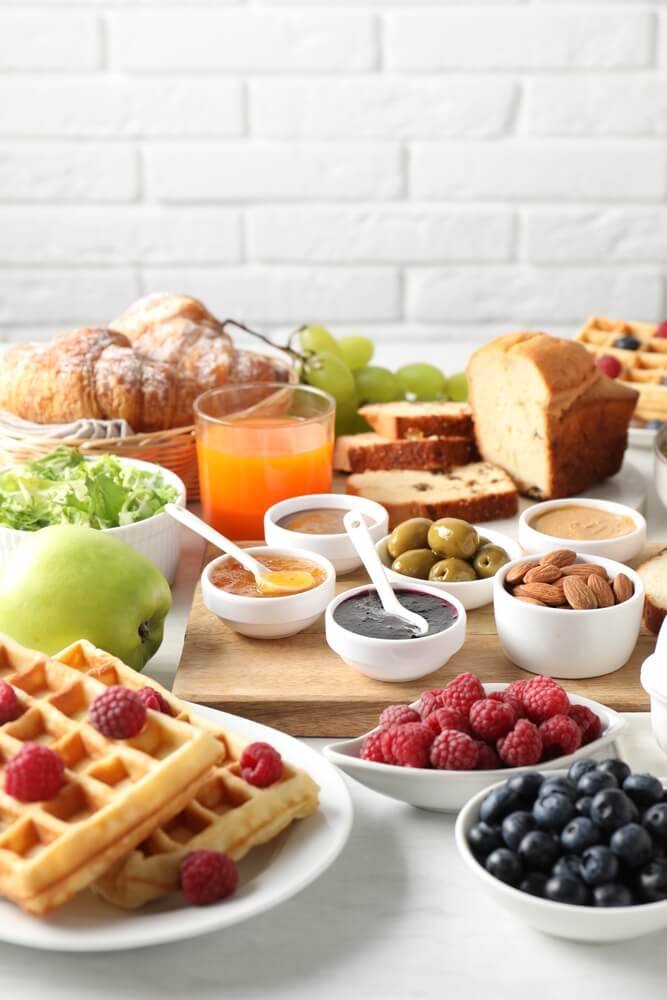
Breakfast & Dairy Products
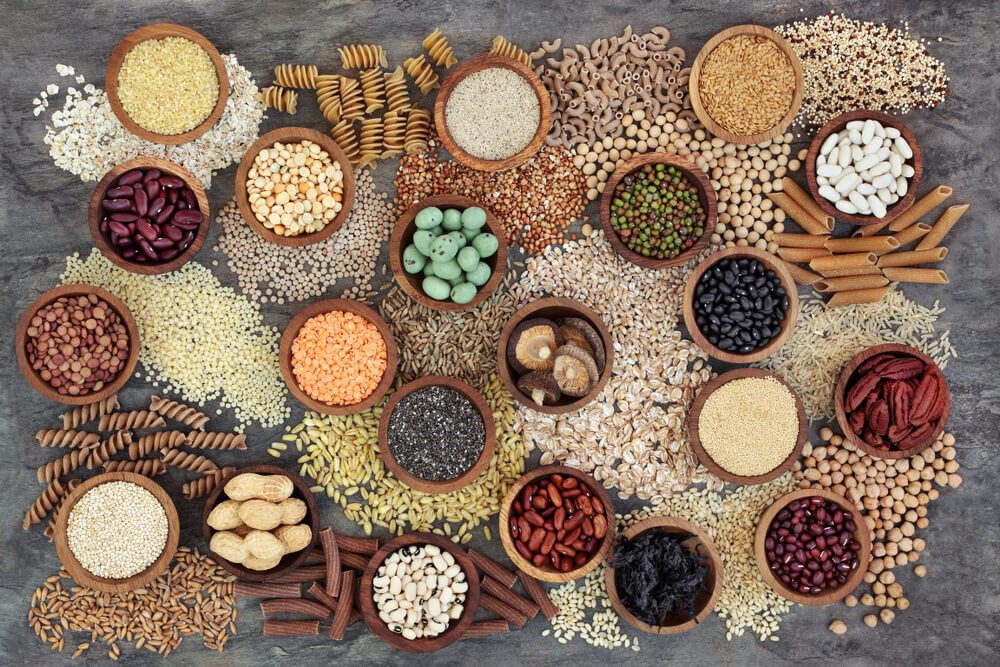
Kitchen & Cooking

Beverages, Snacks & Consumables
Work Model
The transition is easier than you think
We’re here to help you make the switch from your current supplier in four easy steps—without any disruption to your inventory.
1
List
Share your list
Please share your current product list; let’s work together to assess your needs based on your hotel concept.
2
Offer
Get your quote
Let us provide you with a written quote for specific products at wholesale prices tailored to your hotel.
3
Program
Delivery schedule
Let’s set up a fixed order and delivery schedule that fits your capacity and service schedule.
4
Transition
Seamless transition
Let’s organize and schedule the delivery to fit your current schedule.

With over 30 years of experience in the HoReCa industry, we’re here to support you
Share your product list, and we’ll prepare a customized, comparative price quote for your hotel within 24 hours. Experience the difference starting with your first order.
WhatsApp
Address
Ziya Gökalp Neighborhood, Süleyman Demirel Boulevard
, Sinpaş İş Modern C17/18, Başakşehir / Istanbul
, Sinpaş İş Modern C17/18, Başakşehir / Istanbul
How many different kitchens are there in the hotel, and what does each one require?
A hotel operates five separate service points under one roof, and each of the five has different supply needs. A buffet requires volume and visual cohesion; à la carte requires consistency; banquets require advance planning; room service requires individually portioned packaging; and the minibar requires a long shelf life. Thinking of the order list as a single “hotel list” obscures these differences.
| Service location | Packaging preference | Order window | Critical point |
|---|---|---|---|
| Buffet-style breakfast | Combination: group + individual portions | Weekly, depending on occupancy | The same spread every morning |
| À la carte | Chef’s portion, medium-sized package | 2–3 times a week | The product should not change |
| Banquet / Meeting | Bulk packaging | Before the event, fixed date | Quantity commitment |
| Room service | Portion-sized, sealed packaging | Low volume, regular | 24-hour availability |
| Minibar | Single-serving, long shelf life | Monthly | Expiration date tracking |
In practice, the most common mistake is mixing banquet requirements with the daily kitchen list. Banquets are one-time events involving large volumes; when added to the daily list, they either result in shortages or leave excess inventory after the event.
Should single-serving portions or bulk packaging be used at a buffet?
The rule is simple: items that the guest touches on their plate should be served in individual portions, while items prepared by the chef should be packaged in bulk. For items such as butter, honey, jam, and cream cheese—which guests take and open themselves—single-serving packages offer benefits in terms of both hygiene and waste reduction: unopened portions can be served the next day, whereas products placed in open containers cannot.
In contrast, bulk packaging is appropriate for cheese platters, olives, salads, and hot buffet items; here, the presentation is in the chef’s hands, and individual-serving packages both increase costs and detract from the buffet’s appearance.
| Pen | Individual (served to guests) | Bulk (prepared by the chef) |
|---|---|---|
| Butter | 10 g × 200 | 1 kg block |
| Honey | 30 g × 24 | 5 kg bucket |
| Jam | 30 g × 24 | 5/1 box |
| Cream cheese | 15 g × 200 | 2.5 kg tub |
| Labne | 20 g × 120 | 2.5 kg tub |
When making a decision, consider the number of guests: individual portions are more economical for small gatherings, while bulk packaging is more economical for large gatherings. A 5-kg bucket of honey opened for a 40-person breakfast will most likely result in waste; at a 300-person buffet, 30-gram jars will double both the cost and the waste.
How far in advance should a banquet order be placed?
For banquet and meeting arrangements, orders must be finalized at least three business days before the event. The issue isn’t inventory; it’s volume: A single item for an event with 300 attendees can equal the hotel’s total weekly consumption. This volume, which cannot be met with standard inventory, requires separate planning on the supply side.
It’s helpful to share an estimated number of guests even before the menu is finalized; even if the specific items aren’t finalized, knowing the volume allows room to be made in the delivery plan. Last-minute changes are inevitable, but “revising the quantity for an event notified three days in advance” and “accommodating an event that wasn’t notified three days in advance” are two completely different tasks.
Since we make deliveries to Istanbul’s 39 districts six days a week, once the schedule is shared, we can set the banquet delivery for one day before the event.
What changes regarding room service and minibar supplies?
There are only a few pens in room service and the minibar, but the cost of an error is high. If a guest encounters a freshness issue when opening a product found in the guest room, this directly affects the hotel’s rating—there is no chance for it to be noticed and corrected in the kitchen.
For this reason, two factors are critical for minibar items: a long shelf life and single-serving, sealed packaging. Since best-by date tracking is done on a per-room basis, the most common operational issue is the mixing of different batches of the same product across rooms; maintaining batch separation upon delivery largely resolves this issue.
Items suitable for the minibar and room service are found in the Beverages, Cookies & Snacks, and Nuts & Seeds categories.
Chain hotel or boutique hotel? What’s the difference in offerings?
In a chain hotel, the goal is to maintain a consistent standard of service, while in a boutique hotel, it is to add a touch of exclusivity to the menu. The two are not opposites, but what they expect from the supplier is different.
| Chain hotel | Boutique hotel | |
|---|---|---|
| Product List | Centralized, fixed, brand-locked | Flexible, open to the chef’s preference |
| Volume | High, predictable | Low, seasonal |
| Equivalent product | Must be pre-approved | Can be tested with the chef |
| Pricing | Term Contract | Term-Based Quote |
| Determinant | Consistency and Repeatability | Product Variety and Special Items |
The elements that set boutique hotels apart are usually found in the cheese and charcuterie selection: burrata, fresh cheeses, and specialty varieties of kashar cheese are what distinguish a breakfast buffet from its competitors. The entire cheese selection can be found in the “Cheeses” category; we’ve detailed which mozzarella is used where in our mozzarella guide, and how to serve and store burrata in our burrata guide.
Where does responsibility for the cold chain begin in a hotel kitchen?
Responsibility for the cold chain transfers to the hotel the moment the product is unloaded from the vehicle. It is the supplier’s job to deliver the product to the door at the correct temperature; once it is received, the time it takes to transfer it to the warehouse or cold storage is under the hotel’s control, and in practice, this is where the chain is most often broken.
Therefore, two things must be done at the time of delivery: measuring the product temperature and placing items that require a cold chain before the others. A break in the cold chain is not visible in dairy products, deli meats, and frozen foods; the consequences become apparent a few days later. We have provided detailed information on the shelf life and storage conditions of frozen products in this guide.
How do you plan order quantities based on inventory levels?
At the hotel, the correct basis for determining order quantities is not past consumption, but next week’s reservation forecast. Placing orders based on last week’s figures will result in either insufficient or excess inventory every week that capacity changes.
An effective method is to divide items into two groups: those directly dependent on stock levels (breakfast items, dairy products, fresh items) are ordered based on weekly forecasts; those not dependent on occupancy (cleaning supplies, consumables, packaging, dry goods) are purchased on a monthly basis. This distinction alone significantly improves inventory turnover.
Here’s what it means for the hotel when we deliver 6 days a week: you can reduce your stock-keeping days for the first group and actually make use of your cold storage space. For supplies and cleaning, you can check out the Cleaning & Supplies category.
If your business is not a hotel: You can check out our wholesale food pages for à la carte and chain restaurants, as well as for cafes, pastry shops, and bakeries. An overview of all the sectors we supply: our areas of operation.