


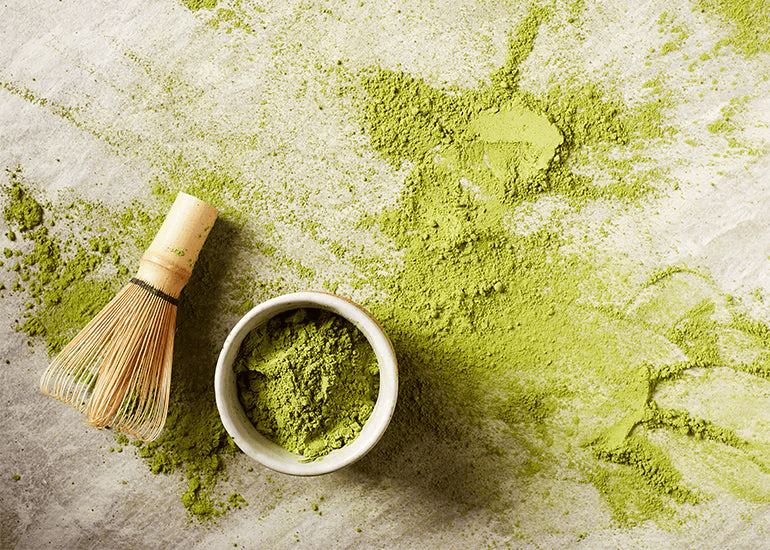
At a Glance: Matcha has become the fastest-growing item on restaurant and hotel menus worldwide. With its rich green color, umami flavor, and high caffeine content, matcha is now a staple in matcha lattes, smoothie bowls, and fine dining desserts. The B2B matcha market in Turkey is still in its early stages—presenting a significant opportunity for businesses that offer the right product at the right time.
Why Is Matcha So Important Right Now?
Matcha has grown at an annual rate of 8% worldwide over the past five years, becoming the most dynamic segment of the global tea market. Having reached a mainstream audience after being added to Starbucks’ menu, matcha can now be found everywhere—from the spa bars of five-star hotels to the dessert menus of Michelin-starred restaurants—all over the world.
In Turkey, however, the picture is different: Searches for “matcha latte” on Google have tripled over the past two years, but the number of local suppliers offering B2B wholesale matcha is extremely limited. This translates into a significant competitive advantage for restaurants and hotels that act early.
What Is Matcha? A Quick Overview for Professional Kitchens
Matcha (pronounced: ma-cha) is made from the leaves of the Camellia sinensis plant, which are grown under special conditions and ground into a fine powder using a stone mill. The key difference from regular green tea is this: green tea is brewed and the leaves are discarded, whereas with matcha, the entire tea leaf is consumed. This makes matcha much richer in nutritional value and flavor intensity.
There are two basic quality levels of matcha for professional kitchens:
- Ceremonial Grade: For use as a pure matcha beverage—such as matcha latte, usucha (light tea), and koicha (thick tea). The highest quality, deepest color, and richest umami flavor.
- Culinary Grade (Kitchen): For recipes—such as cakes, ice cream, pastries, marinades, and sauces. More affordable than ceremonial grade and suitable for cooking.
Matcha in Restaurant and Hotel Menus: 6 High-Margin Applications
1. Matcha Latte — Café and Hotel Bar
Matcha latte is the fastest-growing hot beverage category in the world. While the cost of a standard milk-based matcha latte ranges from ₺25 to ₺40, menu pricing can reach ₺90–160. With a gross margin of 70–75%, it offers even higher profitability than coffee. The vegan version, served with oat milk, almond milk, or coconut milk, commands an additional premium price.
2. Matcha Bowl and Smoothie Bar
The matcha bowl, a green variation of the acai bowl, is a trend that has garnered millions of views on Instagram. These bowls are prepared with a base of matcha powder, banana, and yogurt, topped with granola, fruit, and seeds. The cost per serving ranges from ₺50 to ₺70, and the selling price can range from ₺160 to ₺240.
3. Hotel Buffet — Matcha Corner
Creating a “Japanese Wellness Corner” at the buffet for 4- and 5-star hotels is a powerful move in terms of both guest satisfaction and social media engagement. A self-service station featuring matcha powder, chia seeds, and granola offers a premium experience while keeping labor costs to a minimum.
4. Fine Dining Dessert Menu
Matcha is an ingredient that’s transforming dessert menus at high-end restaurants. Creations like matcha panna cotta, matcha tiramisu, matcha ice cream, and matcha-glazed cheesecake add a distinct touch to the menu, both visually and in terms of flavor. Its mint-green color creates a striking visual impact on the plate.
5. Pastries and Breakfast Items
Croissants, pancakes, or waffles with matcha are a strong addition to brunch menus. The “matcha croissant” is a product with the potential to go viral on social media. Adding matcha to baked goods enhances both the color and aroma—with minimal extra cost and a significant pricing advantage.
6. Wellness and Spa Menu
Matcha has taken center stage in the “healthy energy” category for hotel spas and wellness centers. Because it balances the effects of caffeine thanks to the amino acid L-theanine, it can be marketed as “calm energy.” It’s ideal for detox programs, yoga retreat menus, and wellness brunch packages.
4 Criteria to Consider When Choosing High-Quality Matcha Powder
1. Color: Bright Green or Yellowish Green?
High-quality matcha has a vibrant, bright green color. A yellowish or brownish tint indicates old leaves or a flawed processing method. In social media posts and fine dining presentations, color directly impacts the product—pale green matcha creates disappointment on the menu.
2. Origin: Japan?
Authentic matcha comes from Japan—specifically the Uji (Kyoto), Nishio (Aichi), and Fukuoka regions. “Matcha-like” powders sourced from China are available on the market but are of much lower quality and have a weak aroma. Highlighting Japanese origin on a professional menu serves as both a guarantee of quality and a marketing advantage.
3. Grind Fineness
Traditional matcha is ground in a stone mill to a fineness of 2–4 microns. This fineness ensures smooth dissolution in the beverage and a velvety texture. Coarsely ground powder clumps in lattes, compromising the quality of the presentation.
4. Packaging: Is It Light- and Moisture-Proof?
Matcha spoils quickly when exposed to light and oxygen. Opaque, airtight packaging is essential for professional kitchens. Once opened, it should be stored in the refrigerator or in a cool, dark place; when purchasing in bulk, care should be taken to ensure proper inventory rotation.
Wefood Matcha Powder: Why Is It Ideal for Professional Kitchens?
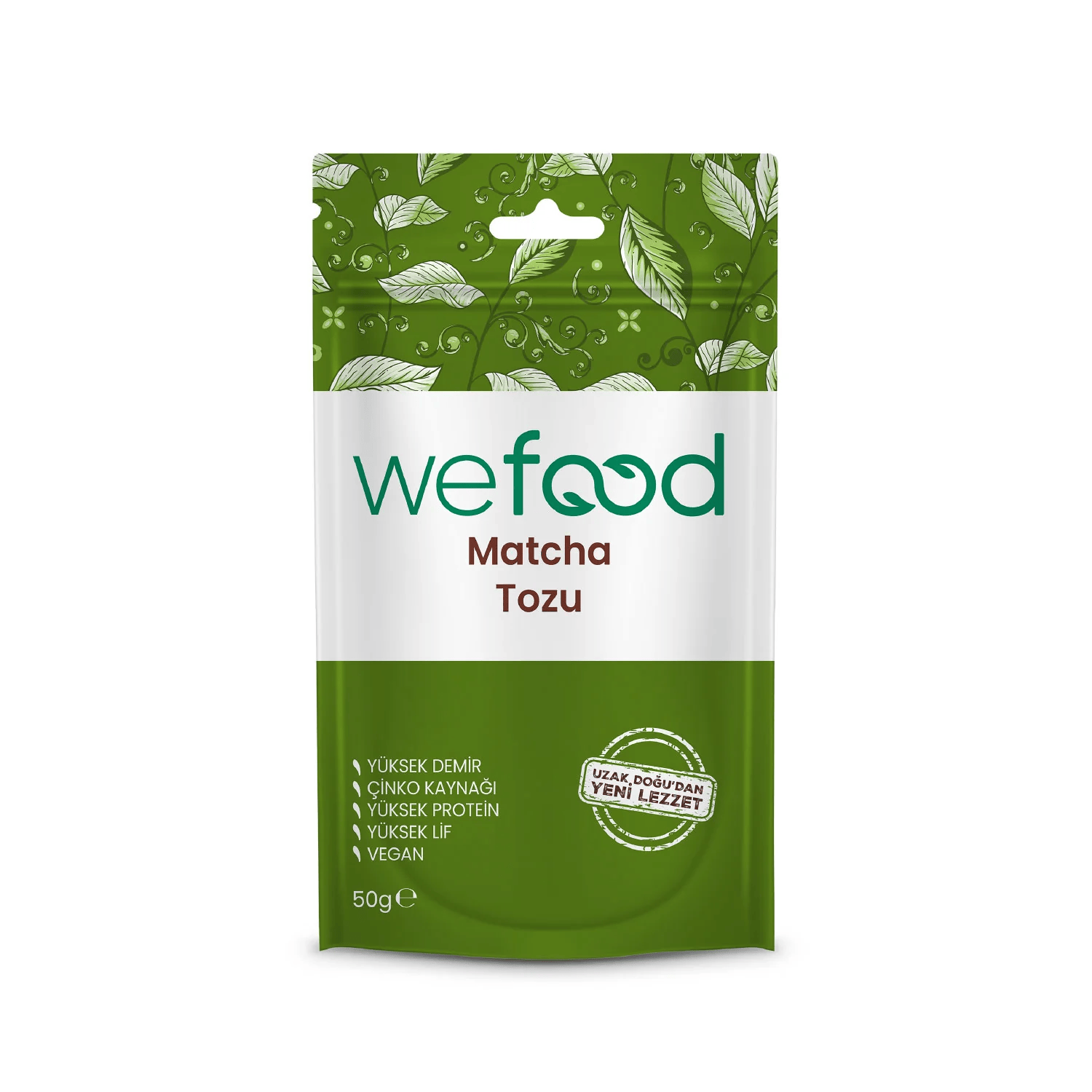
Supplied by Santral Gıda Wefood Matcha Powderstands out with a formula designed to meet the needs of professional kitchens:
- Vibrant green — ideal for products that have a strong visual impact in presentations and are photogenic
- Finely ground texture — for a smooth blend in lattes, smoothies, and baked goods
- Wide range of applications — from beverages to desserts, and from breakfast to fine dining, across all menu categories
- Convenient 50g packaging — easy portion control, simple inventory management
- Additive-free, natural ingredients — enables a “clean label” offering for customers
At Santral Gıda, we supply Wefood matcha powder wholesale to restaurants, hotels, cafes, and catering businesses. We make regular deliveries to Istanbul and the surrounding provinces.
Are You Ready to Transform Your Matcha Menu?
The matcha trend hasn’t peaked in Turkey yet. Add matcha lattes, matcha bowls, or matcha desserts to your menu before your competitors do. With the right supplier, you can achieve high profit margins, eye-catching presentation, and customer satisfaction all at once.
Please contact our team for a wholesale price quote, product samples, and supply details.


