

Description
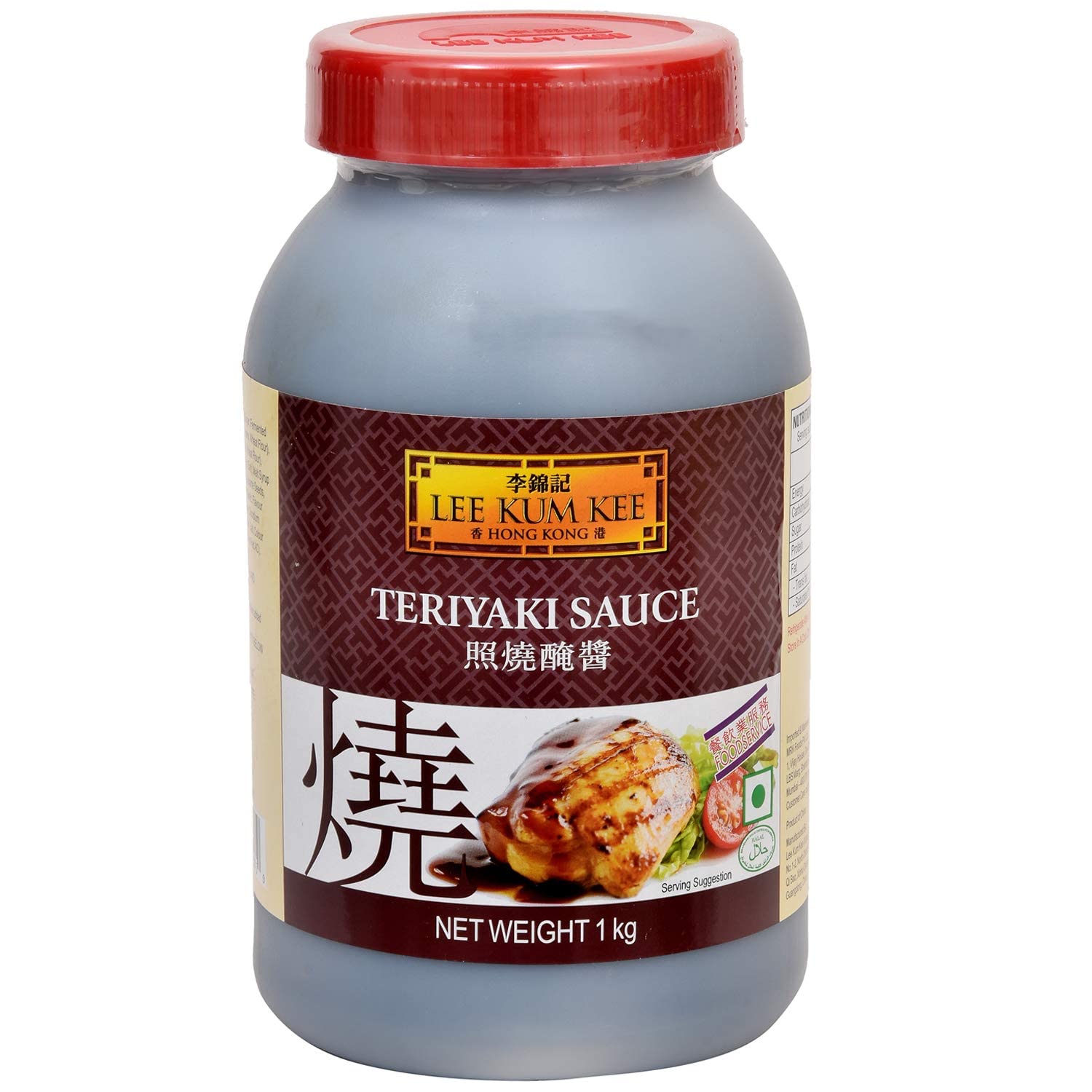
Lee Kum Kee Teriyaki Sauce 1 Kg is one of the most widely used ready-made sauces in Asian cuisine. Made with a soy sauce base, this sauce features a balanced sweet-and-salty flavor and a smooth consistency; it can be used directly as a marinade or glaze for chicken, salmon, beef, and vegetables. The 1 kg foodservice jar is the standard serving size for restaurants, sushi bars, bowl concepts, and hotel kitchens.
What is the wholesale price for 1 kg of Lee Kum Kee teriyaki sauce?
The price shown on the page is the retail price per jar; special prices based on quantity apply for purchases by the case or pallet. For restaurants, hotels, sushi bars, and catering businesses, you can request current case prices and contract supply offers via the quote form or WhatsApp. You can browse our entire Asian sauce lineup in the Sauces & Bases category or in our interactive catalog.
What is teriyaki sauce, and what is it made of?
Teriyaki is not the name of a sauce; it is actually the name of a cooking technique. In Japanese, “teri” means “gloss” and “yaki” means “grill” or “fry”: it’s a method of cooking meat by glazing it with a sweet-and-salty sauce. The classic base consists of soy sauce, a sweetener (sugar or mirin), and sake.
From a culinary perspective, the difference with store-bought teriyaki sauce is this: thanks to the sugar and thickening agents it contains, the sauce forms a glossy film that clings to the meat when heated. A mixture made at home with soy sauce and sugar does not provide this adhesion; it runs off the plate. This is the main reason why ready-made teriyaki is preferred in kitchens seeking menu consistency.
Why is the Lee Kum Kee brand preferred?
Lee Kum Kee is a brand founded in Guangdong in 1888, known for its oyster sauce, and which today supplies Asian sauces to professional kitchens worldwide. Its main advantage in the foodservice sector is consistency in flavor across batches: in a kitchen that must serve the same menu with the same taste every day, having a sauce that delivers the same balance of salt, sugar, and consistency in every jar ensures recipe reliability.
If you’d like to compare, we also offer Amoy Soy Sauce (900 g ) and Oyster Sauce (720 ml ) in the same category.
Who is the 1 kg package suitable for?
Quick calculation: An average of 25–35 g of sauce is used per serving of teriyaki chicken or salmon. This means a 1-kg jar is roughly equivalent to 30–40 servings. For a business that serves 15–20 teriyaki portions a day, this means one jar every two days. The jar holds approximately 1 liter; if you’ve written your recipes in milliliters, this conversion can be considered a one-to-one ratio in practice.
- Sushi bars and Japanese/Asian-themed restaurants
- Poke bowl, rice bowl, and wok concepts
- The hotel’s buffet and à la carte dining options
- Burger, sandwich, and street food spots (with teriyaki chicken filling)
- Catering and institutional kitchens
Please contact us for information about larger packaging options for businesses with very high consumption.
Where is teriyaki sauce used?
- Seafood: chicken thighs/breasts, beef ribeye strips, salmon fillet
- Glaze (polishing): applied with a brush during the last 1–2 minutes of baking to create a glossy surface
- Wok: Finishing sauce for vegetable and noodle stir-fries
- Bowl and poke: a sauce drizzled over rice
- Sandwiches and burgers: teriyaki chicken filling, sauce base
- Snacks: chicken wings, shrimp, and mushroom skewers
Marinade or glaze? Which one, and when?
The two yield different results, and in a professional kitchen, they are usually used together: first as a marinade, then as a glaze during the finishing stage.
In a marinade, the sauce adds flavor to the meat, but some of the sugar burns during cooking. With a glaze, since the sauce is applied at the very last moment, both the shine and the fresh aroma are preserved. Chicken that’s only been marinated looks dull and dry; chicken that’s only been glazed looks shiny but remains bland on the inside.
Cooking times: chicken breast 30–60 minutes, chicken thighs 2–4 hours, salmon 15–20 minutes, beef strips 1–2 hours. Don’t marinate salmon for too long—sugar and salt will toughen the fish’s texture.
Why does teriyaki sauce burn or turn brown?
It’s not the sauce—it’s the heat and timing. Because teriyaki sauce contains sugar, it caramelizes quickly at high heat and then develops a bitter taste. Add the sauce at the end, not at the beginning, of cooking.
Three practical tips: (1) Sear the meat plain first, then add the sauce during the last 1–2 minutes; (2) glaze the meat on the grill over medium heat, not directly over the flame; (3) do not exceed 200 °C in the oven; if necessary, apply a second coat of sauce at the end of cooking. The same principle applies to sweet sauces like sweet chili sauce.
What is the difference between teriyaki sauce and soy sauce?
They both come from the same family, but their roles in the kitchen are different. Soy sauce is a salty seasoning, while teriyaki is a flavored and thickened finishing sauce.
| Criteria | Teriyaki Sauce | Soy Sauce | Oyster Sauce |
| Flavor Profile | Sweet-salty, balanced | Intense salty, umami | Salty-sweet, ocean umami |
| Consistency | Medium, runny-syrupy | Water-like, thin | Thick, dense |
| Behavior at High Temperatures | It caramelizes and glazes | Evaporates, salt concentrates | Maintains its consistency |
| Primary use | Marinade and glaze | Seasoning, dipping sauce | Wok and vegetable stir-fry |
| Dilution | Generally not required | As prescribed | May be necessary |
For kitchens looking for a less salty base, the Reduced-Salt Soy Sauce (600 ml ) is a great alternative.
Which Asian sauce is used with which dish?
| Product | Character | Where it is used |
| Lee Kum Kee Teriyaki Sauce | Sweet and savory, glazing | Chicken, salmon, bowl, wok finishing |
| Amoy Soy Sauce | Salty umami | Sushi, dipping sauce, recipe base |
| Pantai Oyster Sauce | Rich, dark | Wok-fried vegetables, noodles |
| Sweet Chili Sauce | Sweet and Spicy | Served with fried foods, spring rolls |
| Sriracha | Intense heat | Topped with a mayonnaise mixture |
| Rice Vinegar | Mild acid | Sushi rice, salad dressing |
Teriyaki at sushi bars, poke shops, and bowl restaurants
In bowl concepts, teriyaki is the best-selling sauce option on the menu because it’s both familiar and mild. In a standard bowl setup, 25–30 g of teriyaki is drizzled over rice, protein, and vegetables; sesame seeds and green onions are then added on top.
In sushi bars, teriyaki is typically used as a cost-effective alternative to unagi or nitsume, applied as a thin line of sauce on top of rolls. In this method, transferring the sauce to a squeeze bottle and using a fine tip ensures both portion control and visual consistency.
Can it be used in vegetarian and vegan menus?
Teriyaki sauce is plant-based and produces the same results as meat when used with tofu, mushrooms, eggplant, broccoli, and cauliflower—in fact, the caramelization is even more pronounced in vegetables. On a vegan menu, a teriyaki mushroom or teriyaki tofu bowl is one of the most cost-effective main course options.
Note: Please check the current label information before ordering to confirm the product’s vegan/vegetarian status; the manufacturer may update the ingredient list.
What should you look out for regarding allergens and ingredients?
Teriyaki sauce contains soy, and because wheat is commonly used in the production of soy sauce, it may contain gluten. Establishments offering gluten-free menus should check the current allergen information on the packaging before labeling this sauce as gluten-free.
The packaging features a halal certification symbol and a vegetarian product symbol. Since these statements may vary by production batch, we recommend that you check the label of the specific batch you have on hand if you plan to include the terms “halal” or “vegetarian” on your menu.
If you include allergen information on your menu, we recommend checking the boxes for soy and gluten, and specifying the amount of sauce in the recipe, as it has a high salt content.
How is the cost per serving calculated?
A 1-kg jar yields approximately 30–40 servings of 25–35 g each. To calculate the sauce cost per serving, simply divide the current jar price listed on the page by 33. In bowl and wok concepts, the sauce’s share of the plate cost typically falls within the 3–6% range; in other words, the protein component—not the sauce—is the key factor in menu pricing.
Portioning with a squeeze bottle significantly reduces sauce consumption compared to serving with a ladle or spoon—this alone is a measurable cost-saving measure.
How should it be stored? What happens after it’s opened?
Store the unopened jar at room temperature in a cool, dry place out of direct sunlight. Once opened, it should be stored in the refrigerator (+2 / +4 °C).
Clean the rim of the jar after each use; dried sugar residue can cause the lid to stick and increase the risk of contamination. If you’ve transferred the syrup to a separate squeeze bottle for serving, keep that container refrigerated as well and refresh it daily. A darkening of color and slight sediment at the bottom are normal; shake well before use.
Wholesale Orders and Delivery
We offer next-day delivery 6 days a week to all 39 districts of Istanbul. You can add soy sauce, sweet chili sauce, rice vinegar, or other Asian cuisine ingredients to the same order. If you’re wondering what to look for when choosing a supplier, check out our supplier selection guide.
Product Information
- Brand: Lee Kum Kee
- Product Name: Teriyaki Sauce
- Series: Lee Kum Kee Foodservice
- Net weight: 1 kg (approximately 1 liter)
- Packaging: Plastic jar with a red lid
- Product type: Soy sauce-based marinade and glaze sauce
- Flavor profile: Sweet and salty, with a strong umami flavor
- Allergens: Contains soy; may contain gluten — check the current label
- Storage: Unopened: room temperature, cool and dry. After opening: +2 / +4 °C
- Suitable for use in: Sushi bars, Asian restaurants, bowl concepts, hotels, catering, and group dining
- Supply type: Suitable for wholesale and professional use
Product content, weight, and packaging information may be updated by the manufacturer; please confirm before placing your order.
If you liked this product
- Browse the entire “Sauces & Bases” category — compare 81 products on a single page
- Interactive catalog — All 1,100+ products; you can create a “Request a Quote” list
- Get a wholesale quote — Next-day delivery to all 39 districts of Istanbul, 6 days a week





There are no reviews yet.