
Success in retail is not limited to offering the right products on the shelves. The real differentiator is an effective inventory management and supply planning system that ensures that products reach the shelves at the right time, in the right quantity and at the right cost.
Especially in multi-branch supermarket chains, the increase in product diversity, rapid changes in consumer demand and the size of logistics operations have transformed inventory management into a strategic management area. In this article, we discuss how effective inventory management and supply planning should be designed to ensure sustainable growth for supermarket chains.
Importance of Inventory Management in Market Chains
Grocery chains work with thousands of products. Each product has a different shelf life, lead time and sales speed. For this reason, it is not enough to track stock with standard methods.
Effective grocery chain inventory management provides the following benefits:
- Prevents shelf gaps
- Reduces the cost of excess inventory
- Minimizes product waste
- Balances cash flow
- Increases customer satisfaction
Accurate inventory management is one of the invisible but most critical building blocks of market operations.
Smart Supply Planning with Demand Forecasting
Accurate demand forecasting is at the heart of successful food supply planning processes. Seasonal changes, campaigns, regional consumption habits and economic factors directly affect demand.
Through data-driven planning:
- Predicting which product will be sold in which branch and how much
- Reduced unnecessary warehouse burden
- Optimized lead times
- Sales losses are prevented
Market chains with strong demand forecasting gain a significant competitive advantage.
Central Storage and Distribution Network
In grocery chains, wholesale food logistics is the backbone of inventory management. Centralized warehouse structures ensure controlled and planned distribution of products to branches.
The advantages of a strong logistics network:
- Product continuity is ensured
- Cold chain is maintained
- Shorter delivery times
- Reduced operation costs
At this point, the distribution infrastructure of the food supplier is directly reflected in the performance of the market chain.
Digital Inventory Tracking and Ordering Systems
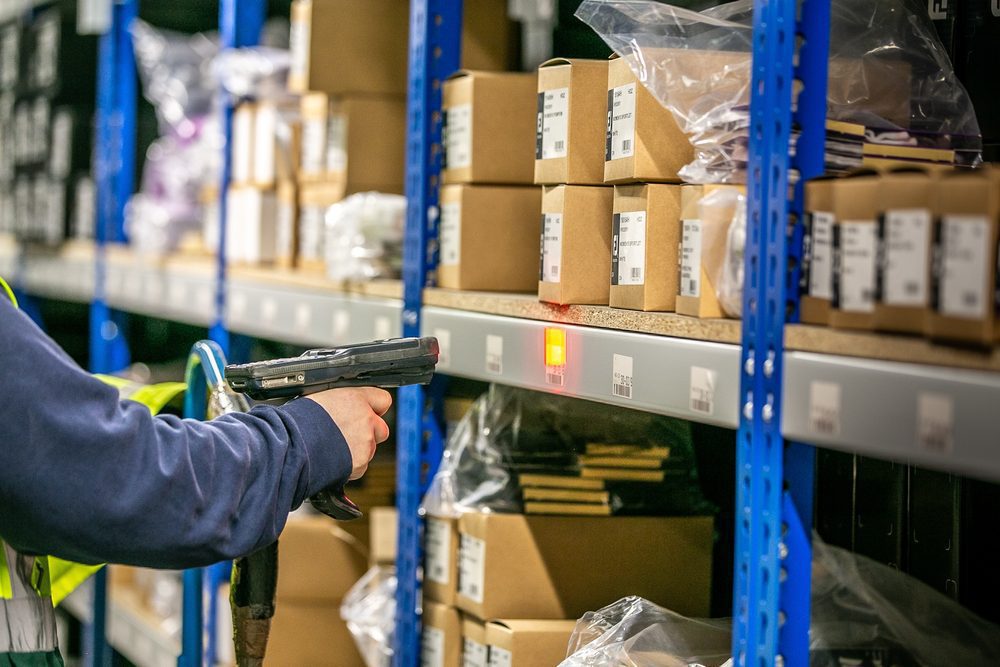
Today, order planning systems have replaced manual processes with digital platforms. ERP systems, automated ordering software and instant stock tracking maximize operational efficiency.
The main advantages of digital systems:
- Instant stock visibility
- Automatic order suggestions
- Branch-based stock balance
- Fast action during campaign periods
Technology-supported inventory management minimizes human errors.
Stock Optimization by Product Categories
Not every product group can be managed with the same inventory management strategy. Dry foods, frozen products, fresh products and beverages require different planning approaches.
Product stock optimization should be done according to the following criteria:
- Shelf life
- Lead time
- Sales velocity
- Storage conditions
This approach increases shelf availability while reducing product waste.
Supplier Integration and Continuity
Much of the success of grocery chains is based on strong integration with suppliers. Companies that supply food for grocery stores need to be integrated into the planning processes.
The benefits of integrated supplier collaboration:
- Pre-planned shipment processes
- Fast stock replenishment
- Product continuity
- Solution-oriented support in times of crisis
In this way, chain stores never leave their shelves empty.
Cost Control and Profitability
Well-planned inventory management and supply planning processes directly improve profitability. Excess inventory increases warehousing, energy and capital costs, while shortage inventory leads to lost sales.
A balanced planning model:
- Preserves working capital
- Operational efficiency
- Offers flexibility during campaign periods
Market chains that can strike this balance achieve sustainable growth.
Strong Planning, Strong Chain
In summary, the key to a successful operation in supermarket chains is the correct structuring of inventory management and supply planning processes. Data-driven demand forecasting, strong logistics infrastructure, digital systems and reliable supplier partnerships guarantee shelf continuity.
With the right planning, supermarket chains keep their costs under control and strengthen consumer loyalty. If you are aiming for uninterrupted product availability, low inventory costs and a strong logistics infrastructure for your grocery chain, working with a planned supply chain makes a difference.
Maximize efficiency with food procurement solutions tailored for retail operations.


